Artificial Insemination for Dogs
Artificial insemination (AI) can reduce stress, expand genetic options, and improve timing—especially when using chilled or frozen semen. Success depends on accurate timing (progesterone testing), quality semen handling, and a skilled veterinarian. Below are the three main techniques used today. Each has its place depending on semen type, patient history, and clinic capabilities.
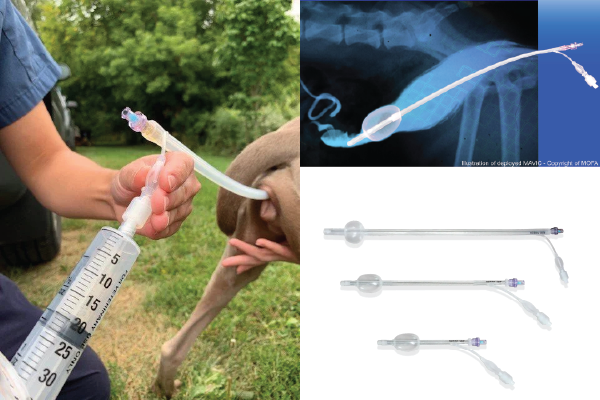
Balloon Catheter (Vaginal AI)
A soft catheter is guided into the vaginal canal and a small balloon is inflated near the cervix to reduce backflow. Semen is injected slowly to mimic natural prostatic fluid flow, then the catheter remains in place briefly.
- Best for: Fresh or chilled semen; bitches with normal anatomy.
- Benefits: Non-surgical, quick, usually no sedation; cost-effective.
- Process highlights: Position, gentle insertion, balloon inflation, slow semen delivery, 10–15 min hold, then removal.
- Consider: Careful restraint and patience; timing is critical for success.
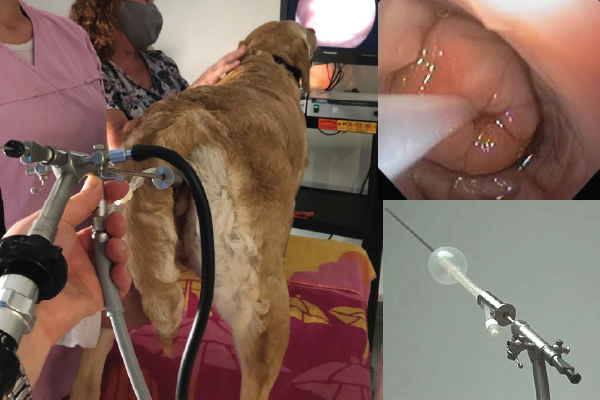
Trans-Cervical Insemination (TCI)
Using a rigid endoscope, the vet visualizes the cervix and passes a fine catheter directly into the uterus. This minimally invasive, anesthesia-free technique is the preferred method for frozen semen and offers excellent placement.
- Best for: Frozen (also chilled/fresh) semen; repeat breeders; when precise placement is desired.
- Benefits: Intrauterine deposition, no surgery, usually no sedation, fast recovery, high success with correct timing.
- Process highlights: Standing positioning, endoscopic guidance, uterine catheterization, slow deposition, gentle withdrawal.
- Consider: Requires experienced vet and proper equipment; accurate ovulation timing is vital.
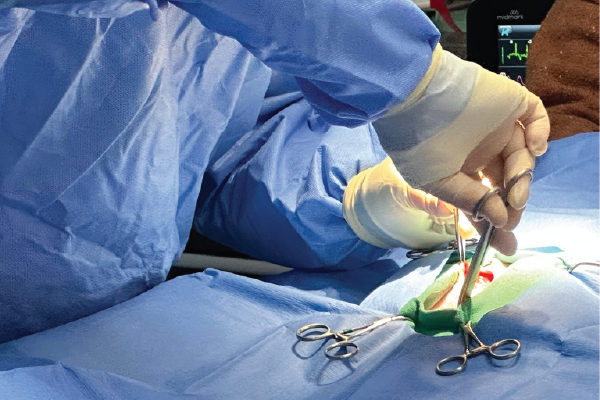
Surgical Artificial Insemination (SAI)
Under general anesthesia, a small abdominal incision exposes the uterus and semen is injected into the uterine horns. Because it’s invasive and many regions now restrict or discourage it, SAI is typically reserved for special cases.
- Use case: When TCI isn’t available/feasible and clinical judgment supports surgery.
- Considerations: Anesthesia risk, incision care, 10–14 days recovery, pain management, infection prevention.
- Alternatives: When possible, prioritize TCI for frozen semen due to comparable or superior outcomes without surgery.
How WorldDogs Asia Can Help
Since 2008, our multilingual team has supported AI planning, timing, and semen logistics across Japan and abroad. We can help you choose the best AI method, coordinate progesterone testing, and connect you with a qualified veterinarian near you. For guidance or referrals, please use our contact form or email info@worlddogsasia.com.